
The sound arrives before the memory does.
A faint crackle.
Warm. Dusty.
The kind of static you only hear from a device that hasn’t been touched since the world made sense.
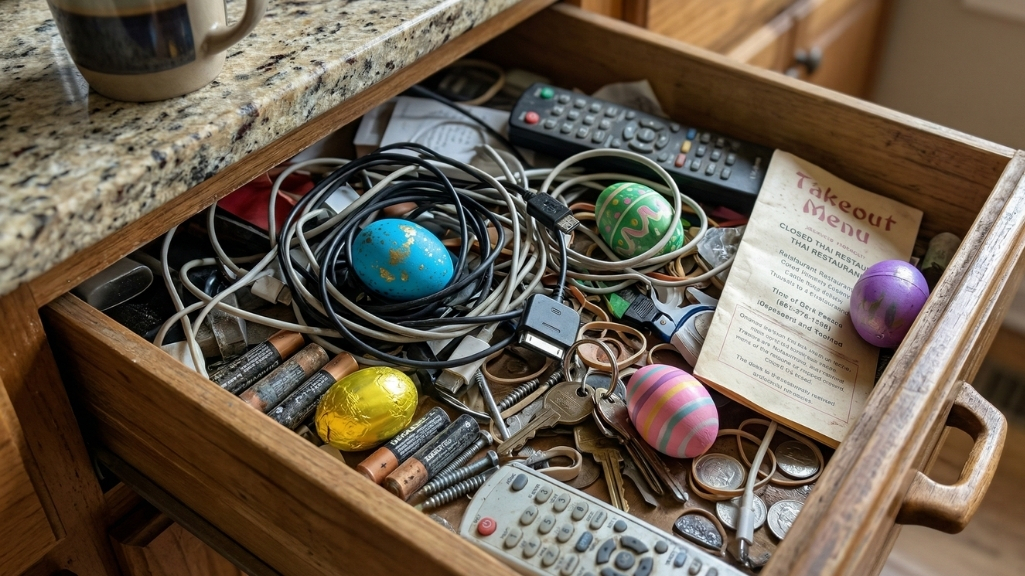
You look down and there it is, a small stack of old CDs. Scratched, fingerprinted, half in the wrong cases like they’d survived a minor disaster. Out of curiosity, you pick one and slide it into a player that also shouldn’t exist anymore.
The opening notes hit instantly.
And your chest softens just a little too quickly.
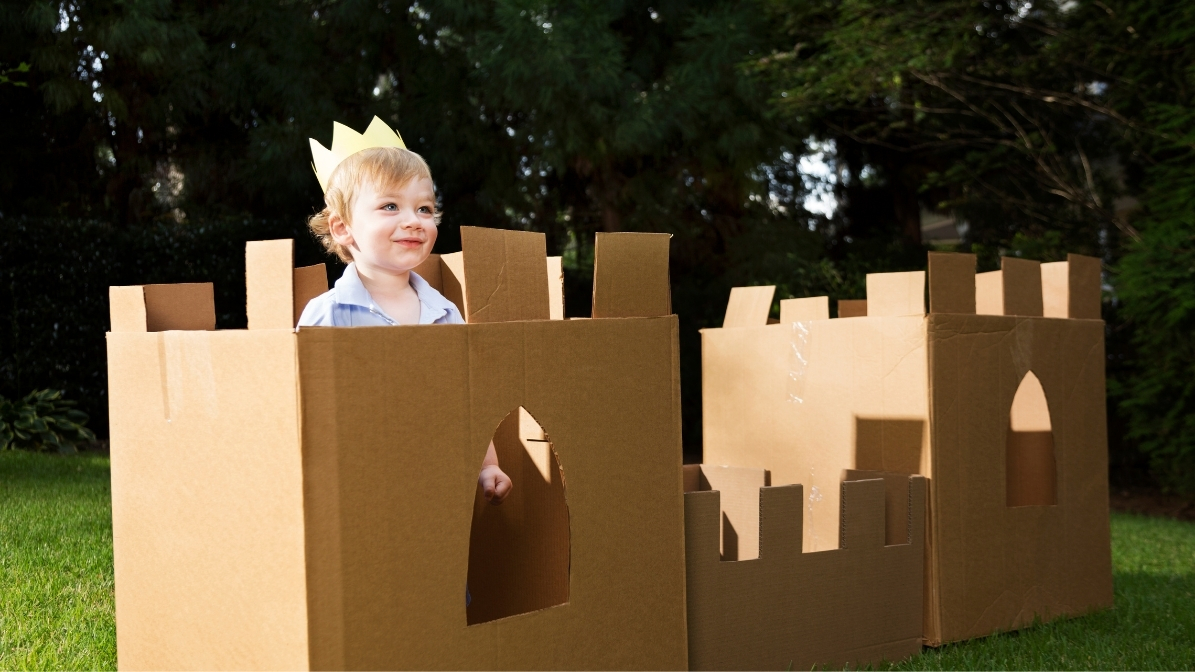
Suddenly you’re back in a bedroom with glow-in-the-dark stars peeling off the ceiling. A cheap fan humming. The smell of plastic and afternoon sun. That strange, comforting boredom of childhood where nothing was urgent and everything had time.
Back then, music didn’t shuffle.
It committed.
You knew every lyric, every skip, every accidental remix caused by a scratch you pretended wasn’t there.
It feels easy.
Effortless.
Soft around the edges.
But stay with the memory long enough… and the rest arrives.
You remember blowing dust off the CD like you were blessing it.
You remember the Discman skipping if you walked too confidently.
You remember burning playlists one by one because your computer refused to multitask.
You remember the despair of opening your favourite CD box and the disc wasn’t there and then finding out your big sister had “borrowed” it.
Nostalgia edits the chaos out.
It keeps the mood and deletes the mess.
It convinces you that things “used to be simpler,” mostly because your brain is running an aggressive PR campaign for the past.
It does this everywhere. With music, friendships, old routines, early adulthood.
But the most dangerous nostalgia?
Work nostalgia.
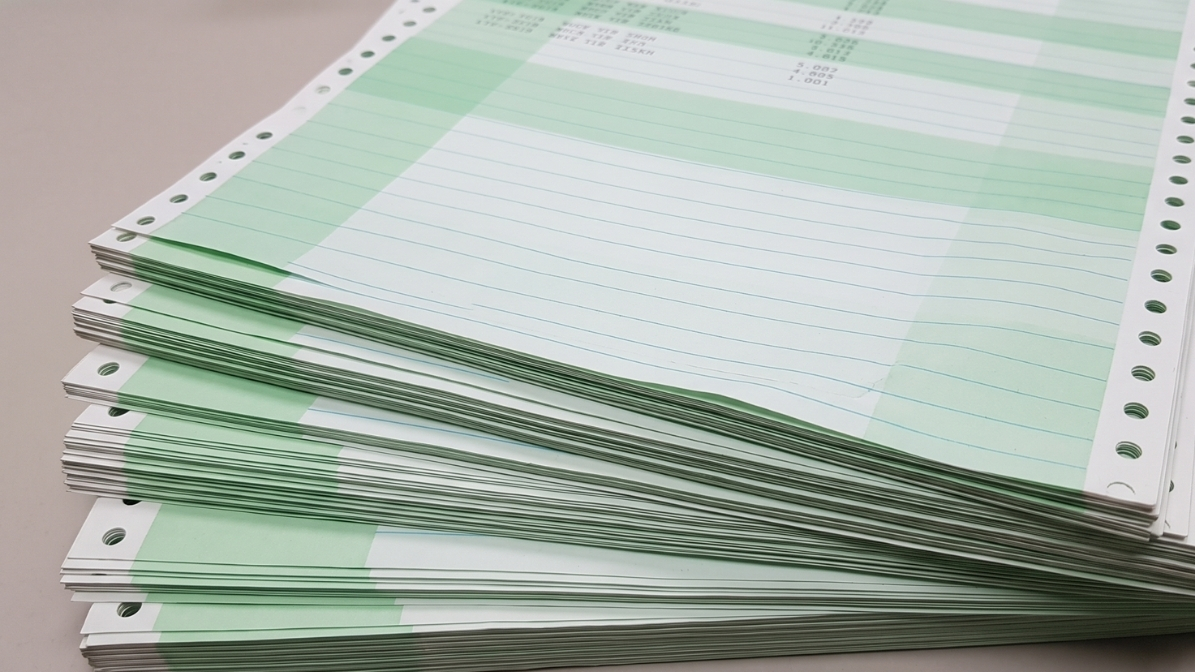
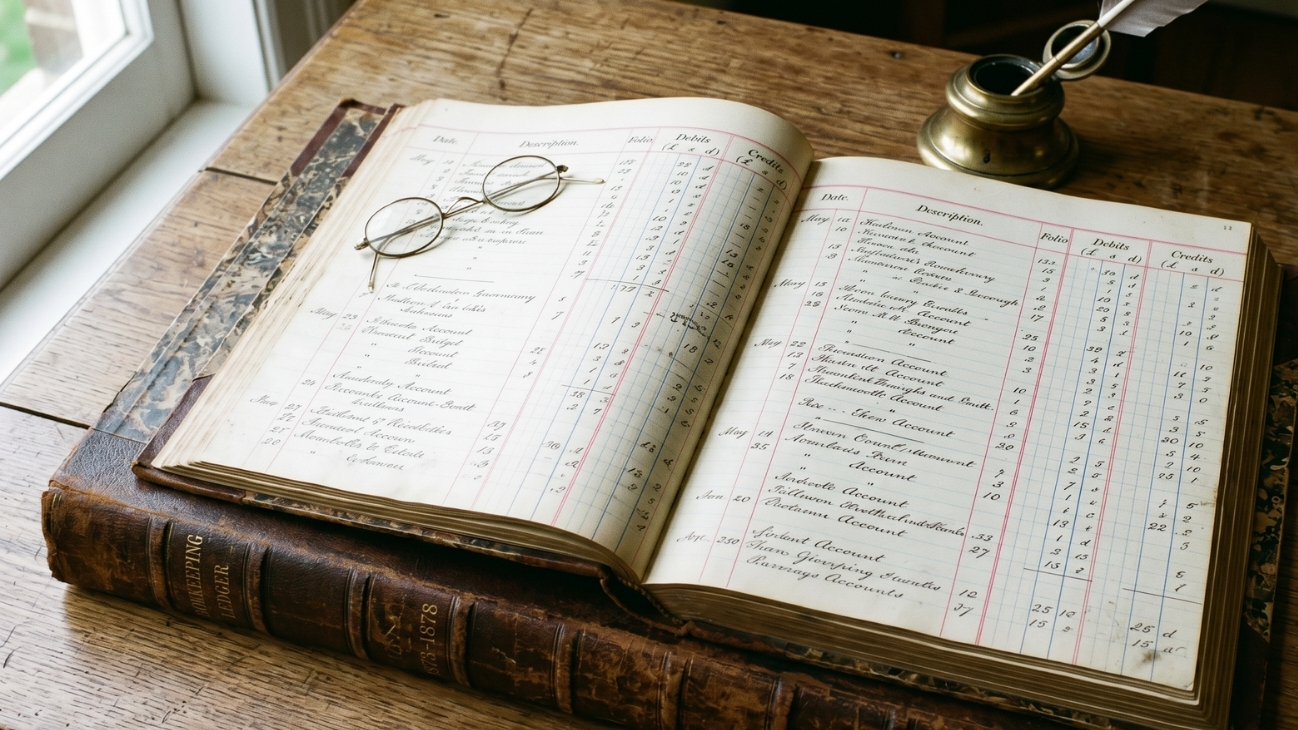
You think last year was smoother.
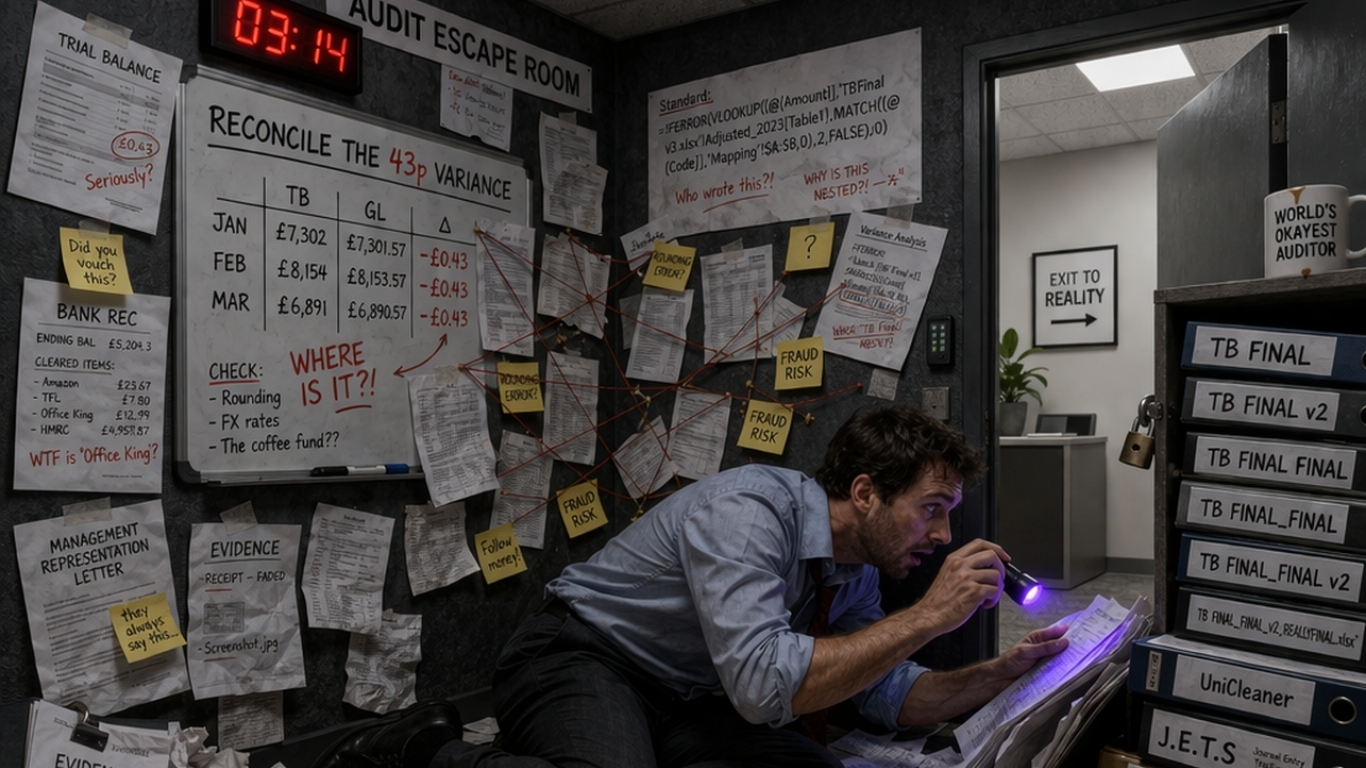
You think the GL was cleaner.
You think the working papers made more sense.
You tell yourself you used to be more organised, more in control, more on top of everything.
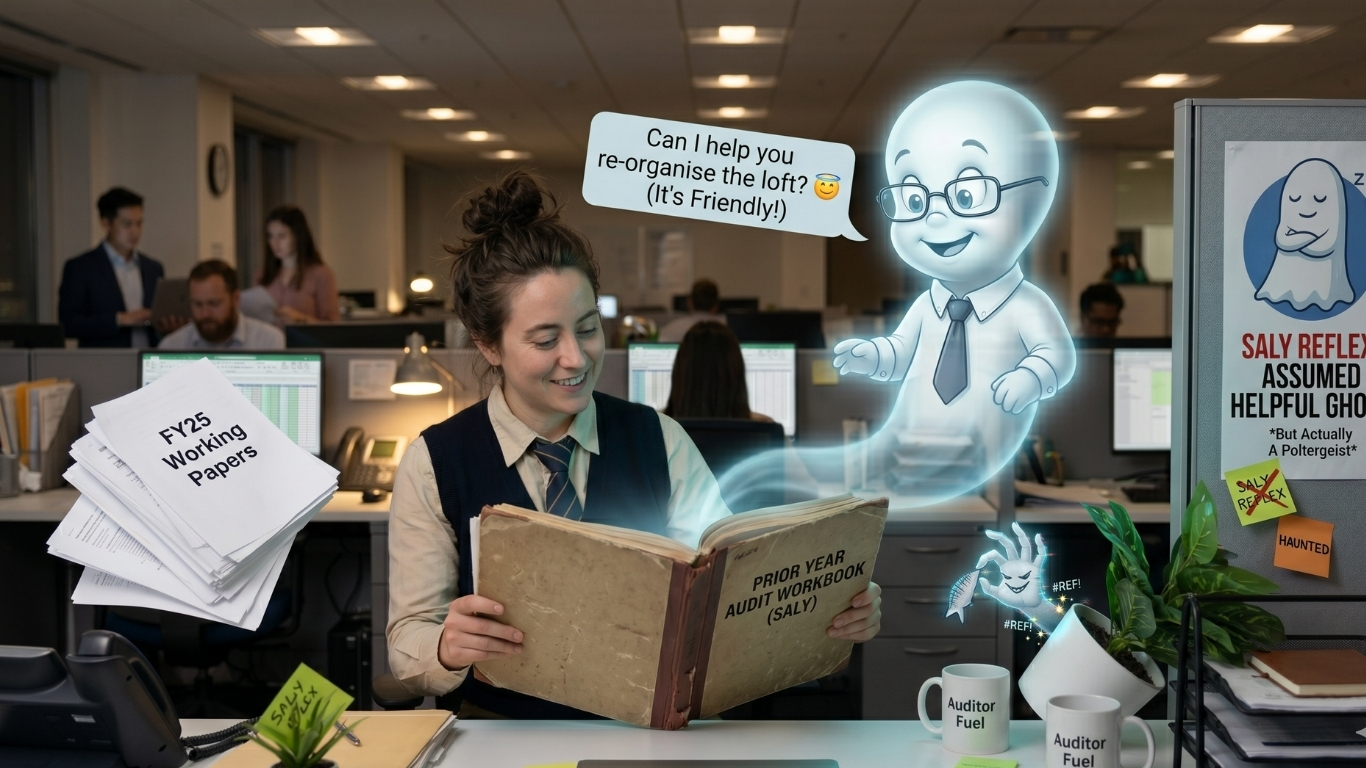
But if someone handed you a time machine, you’d probably go back and find yourself in the exact same position you’re in now: staring at a spreadsheet, muttering, “How is this my life?”
And that’s the twist:
One minute you’re smiling about “the good old days,” and the next, you’re forgetting the weekends you lost to version control. The mental breakdowns caused by corrupted files. The GLs that came in late and incomplete but your memory somehow wrapped them in golden light.
Nostalgia isn’t lying.
It’s just… selective.
It remembers the calm.
Not the clutter.
It remembers the illusion of control.
Not the stress you swallowed to maintain it.
And when nostalgia filters your past, it starts shaping your present.
Suddenly you’re tolerating processes that slow you down.
Tasks that belong in a museum next to floppy disks.
You start calling chaos “tradition.”
You start accepting burnout as “part of the job.”
But clarity never lived in the past.
It lives in the systems you choose today.
So here’s your audit tip for the week: The moment nostalgia kicks in, question what it’s hiding.
Instead of chasing the feeling of yesterday, ask:
- What friction have I normalised?
- What chaos am I romanticising?
- What would help today me, not “memory me”?
- And what tool or workflow would actually make this easier?
Because nostalgia can comfort you, but it can also trick you into settling for problems you no longer need to carry.
The ease you miss isn’t in the past.
It’s in better structure.
Cleaner files.
Smarter tools that behave.
The CD keeps playing.
And maybe the real question isn’t,
“Why was life simpler back then?”
But rather:
“What would it take to feel that simple now without pretending the past was perfect?”
Until next week,
Christiaan
.png)





























































.png)
.png)
.png)


.png)
.png)
.png)






Help your team work faster in Microsoft Excel without
sacrificing control, traceability, or audit quality.
Inspiration not perspiration with tips and insights to audit smarter, straight to your inbox.
You can unsubscribe at any time. We respect your information and won’t share your data with any 3rd parties. Learn more about our privacy policy.

.svg)

.png)
