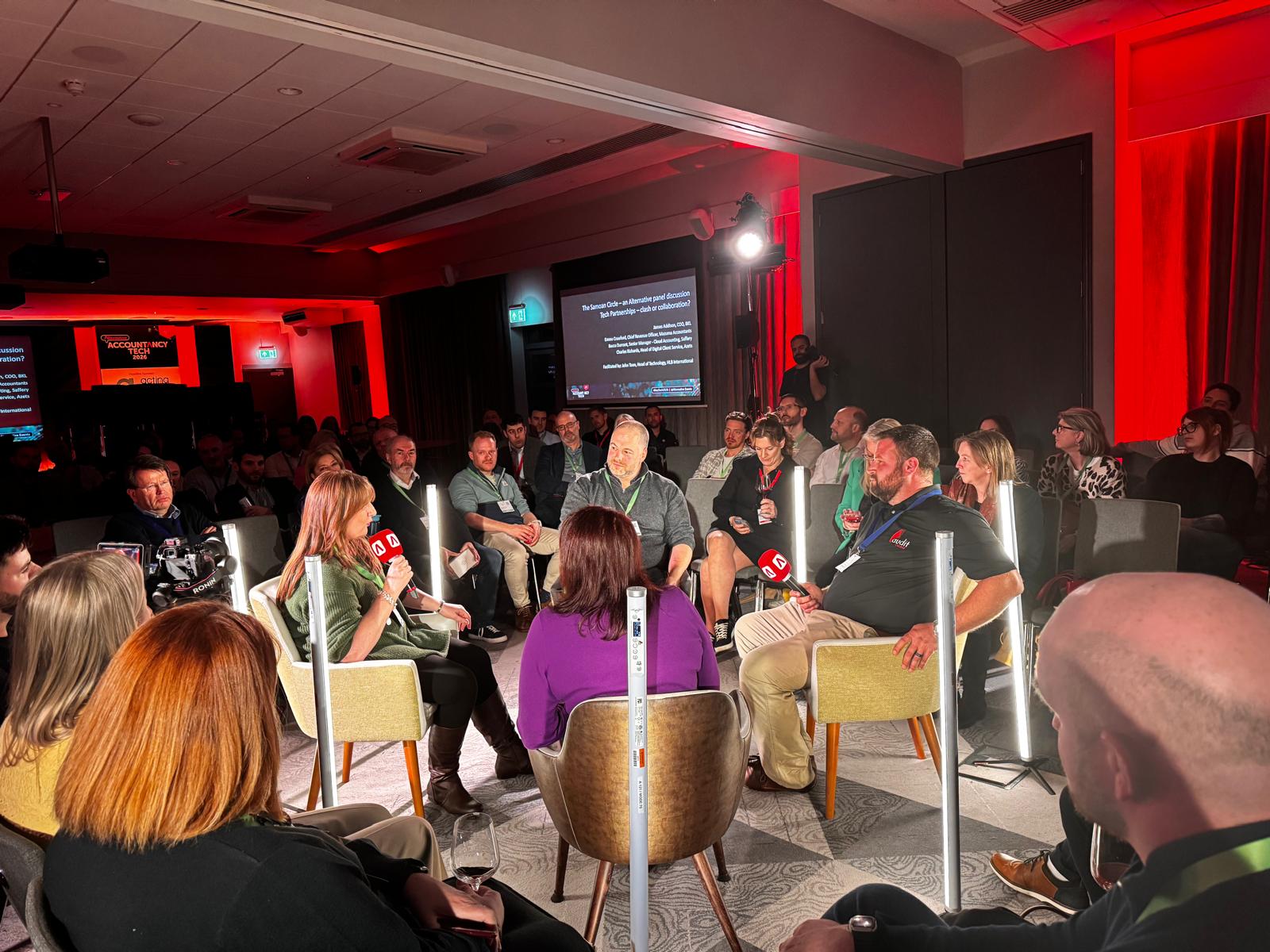
Some events feel like airports.
Bright lights. Big halls. People rushing past each other with polite smiles and half-finished conversations. A handshake here, a business card there, and then everyone disappears into the crowd like passengers sprinting for Gate 42.
Attendees often leave with a tote bag, a few brochures, and a vague sense that something important might have happened… somewhere.
This wasn’t that.
The Alternative Accountancy Event continues to be one of the more interesting stops on the industry calendar each year, and a big part of that comes down to how it’s structured.
It’s invite-only.
Sponsors carry the cost of attendance.
Which, interestingly, changes the entire atmosphere in the room.
When nobody is worrying about ticket sales or booth traffic, something subtle happens. The dynamic shifts. There’s a quiet but noticeable sense of reciprocity between vendors and firms. Everyone understands why they’re there.
And suddenly the conversations start to matter a bit more.
Nobody is there to collect branded tote bags and vanish.
People show up ready to talk.
And when the room is small enough, the conversations get… interesting.
Not surface-level product pitches.
Not rehearsed keynote applause.
Actual curiosity.
Questions that start with:
“But how does that actually work?”
Followed by the slightly dangerous:
“And what happens if we try it this way?”
The intimate nature of the event naturally pushes conversations deeper than you would normally see at larger, more mainstream gatherings. Instead of rushing between sessions or shouting over exhibition halls, people actually have the time and space to explore ideas properly.
Because of that, the event often becomes a surprisingly accurate barometer of what’s happening in the market.
This year, one thing stood out quite clearly.
A number of firms are moving very aggressively on growth strategies. They are leaning heavily into innovation and technology, looking for ways to push their firms forward faster than before.
The pace of change is no longer theoretical.
Many firms are actively experimenting. Investing. Testing tools. Trying to figure out how the next phase of the profession will look.
But there was also an interesting contrast.
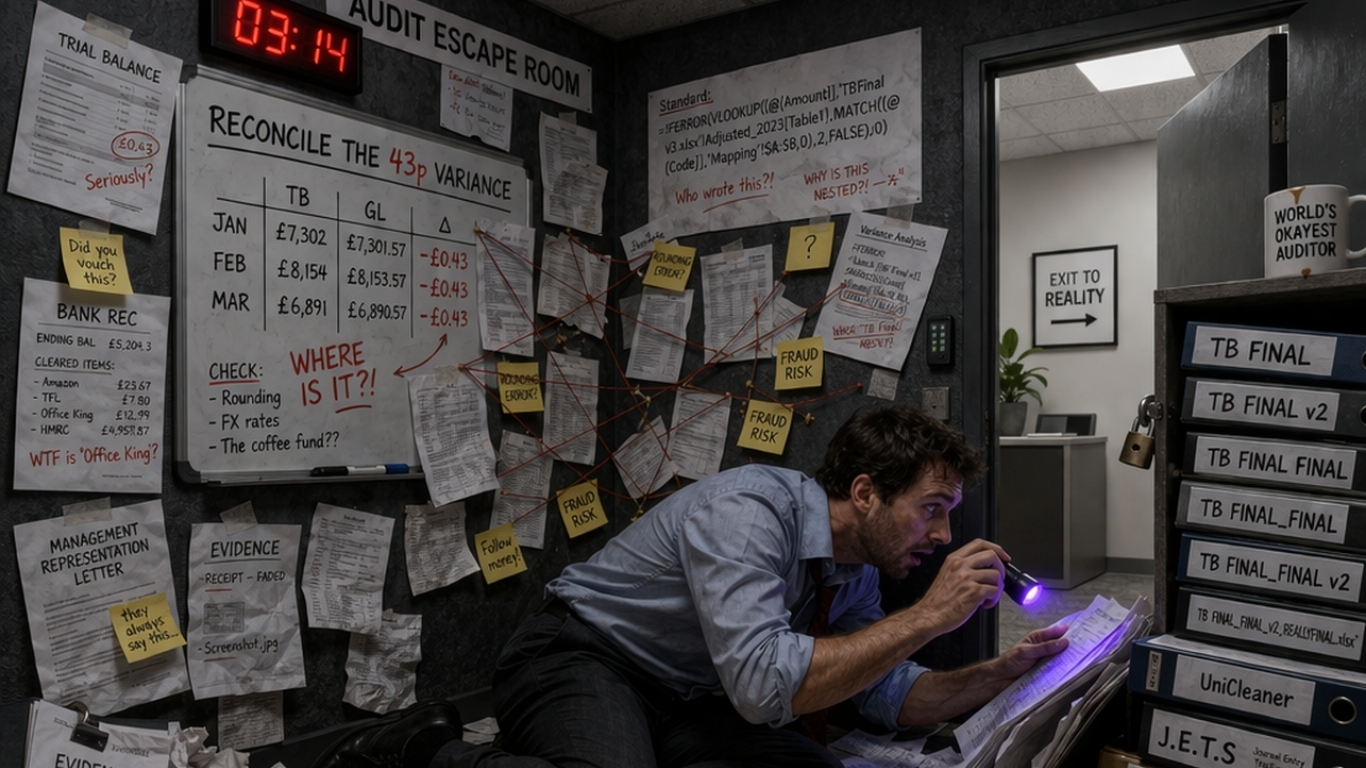
Some firms approached the event almost like a detective investigation.
They explored every conversation.
Every vendor.
Every corner of the room.
From where Christiaan and Piers were observing, it was almost possible to see these firms mapping the ecosystem in real time. Asking questions, connecting ideas, and trying to understand where the profession is really heading.
Others were present… but far less engaged.
They attended sessions. Listened politely. Nodded occasionally.
But they didn’t quite dive in.
That difference in curiosity is starting to become noticeable across the profession.
And if the last few years have taught the industry anything, curiosity tends to win.
Both Christiaan and Piers particularly enjoyed the keynote speakers this year. There were several strong concepts shared, but what stood out most was the shift in how people are talking about AI.
For the past few years, AI conversations have often lived in the realm of theory.
Big possibilities.
Big predictions.
And occasionally, big confusion.
But this time felt different.
The discussion has started to become much more practical.
People are no longer asking what AI might do someday.
They’re asking how it can be used today inside real workflows, inside real firms, with real deadlines.
That shift alone signals that the industry is moving into a new phase.
Another theme that stood out strongly was the emphasis on building bridges between vendors and firms.
There was a clear effort throughout the event to move beyond transactional relationships and toward something more collaborative.
The reality is that meaningful innovation doesn’t happen in isolation.
It happens when firms and technology partners work together, sharing problems, testing solutions, and occasionally admitting when something doesn’t quite work yet.
That kind of partnership is how real progress happens.
One highlight was noticing how many existing clients were in the room this year.
Last year, many of those same people were still prospects. Exploring ideas, asking questions, trying to figure out where things might lead.
This year they were back.
But the conversations had changed.
Seeing them return as clients felt like a small but meaningful signal that the direction things are moving in is the right one.
It’s always encouraging when conversations turn into partnerships.
Perhaps the most interesting development, however, is the broader shift happening across the technology landscape.
Over the past few years, a new wave of tech vendors has started entering the market.
These newer players are bringing fresh ideas, specialised solutions, and perhaps most importantly, a willingness to challenge some of the long-standing assumptions within the profession.
And when new innovators enter a space, something predictable happens.
The incumbents start moving faster.
Solutions that had been quietly sitting on product roadmaps for years suddenly gain urgency.
Workflow challenges that firms have been wrestling with for a long time finally start getting attention.
In many ways, the pressure from these new entrants is forcing the larger players to respond.
And that’s a good thing.
Because when competition increases, innovation accelerates.
And when innovation accelerates, the people who benefit most are the ones at the end of the chain, the firms and professionals who rely on these tools every single day.
It suggests that real progress is beginning to move through the system.
That the profession is entering a period where meaningful improvements to workflows and technology are becoming much harder to ignore.
Sometimes the most important signals in an industry don’t come from massive conferences or flashy announcements.
They come from small rooms.
Rooms where curious people ask difficult questions.
Rooms where ideas are tested, challenged, and occasionally turned upside down.
And that’s exactly what makes events like this so interesting to attend.
Help your team work faster in Microsoft Excel without
sacrificing control, traceability, or audit quality.

.svg)









































































.png)
.png)
.png)
.png)


.png)
.png)
.png)