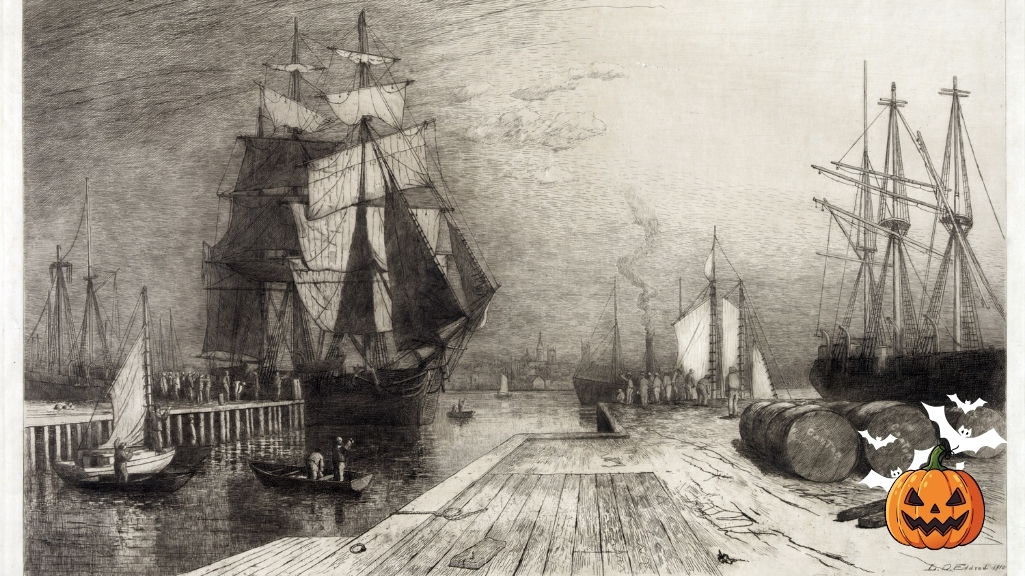
In the chilling air of December 1872, the merchant brigantine Mary Celeste was spotted drifting aimlessly through the calm, sunlit waters of the Atlantic Ocean.
Her sails were partially set, catching the wind in erratic, lifeless bursts. When bewildered sailors from a passing vessel rowed over and climbed over the railing, the heavy, unnatural silence was the first thing to greet them.
They were met with a truly haunting scene. The boarding party quickly discovered that the ship was completely seaworthy, the valuable cargo was secure, and a staggering six months of food was still neatly stacked in the pantry. It felt as though time had simply stopped. In the cabins, personal belongings were left exactly where they had been set down, rain gear still hung on its hooks, and absolutely nothing was damaged.
Yet, the vessel was completely deserted, and the entire crew had vanished. The captain, his family, and seven experienced sailors were gone without a trace, leaving no sign of a struggle, no blood on the wooden decks, and no warning scrawled in the final logbook entries.
For decades, this ghost ship spawned terrifying tales in dockside taverns across the globe. Whispers of giant sea monsters dragging men to the depths, freak rogue waterspouts, and supernatural curses took hold of the public imagination. It became the ultimate nautical mystery: an entire crew swallowed whole by the unknown, leaving behind a perfectly silent, floating tomb.
The historical truth, however, is far simpler and far more human.
Modern maritime investigations reveal that a faulty pump, combined with scary-sounding fumes leaking from the alcohol barrels, likely caused a momentary scare in the hold.
Overcome by panic, the crew made a fatal error. They abandoned a perfectly safe, seaworthy vessel, piled into a fragile lifeboat, and rowed into the open sea where they ultimately perished.
There were no sea monsters. The crew destroyed themselves simply because fear defeated logic.
We marvel at the tragedy of abandoning a perfectly good ship. Yet, audit teams make the exact same panic-driven decision every single morning.
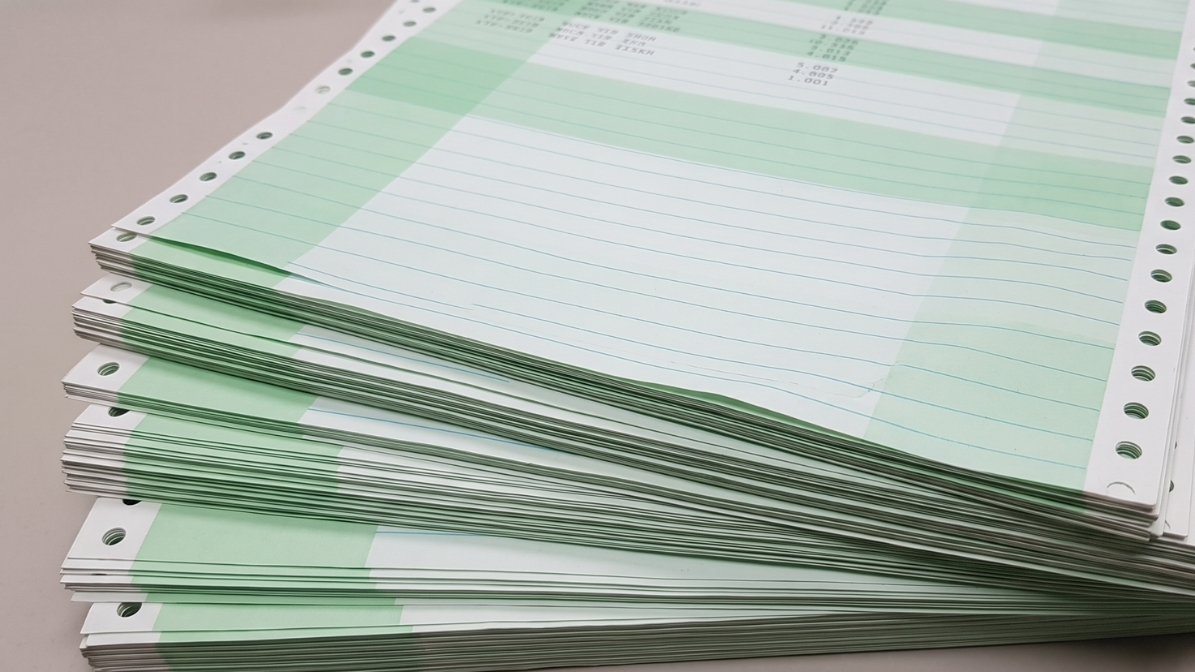
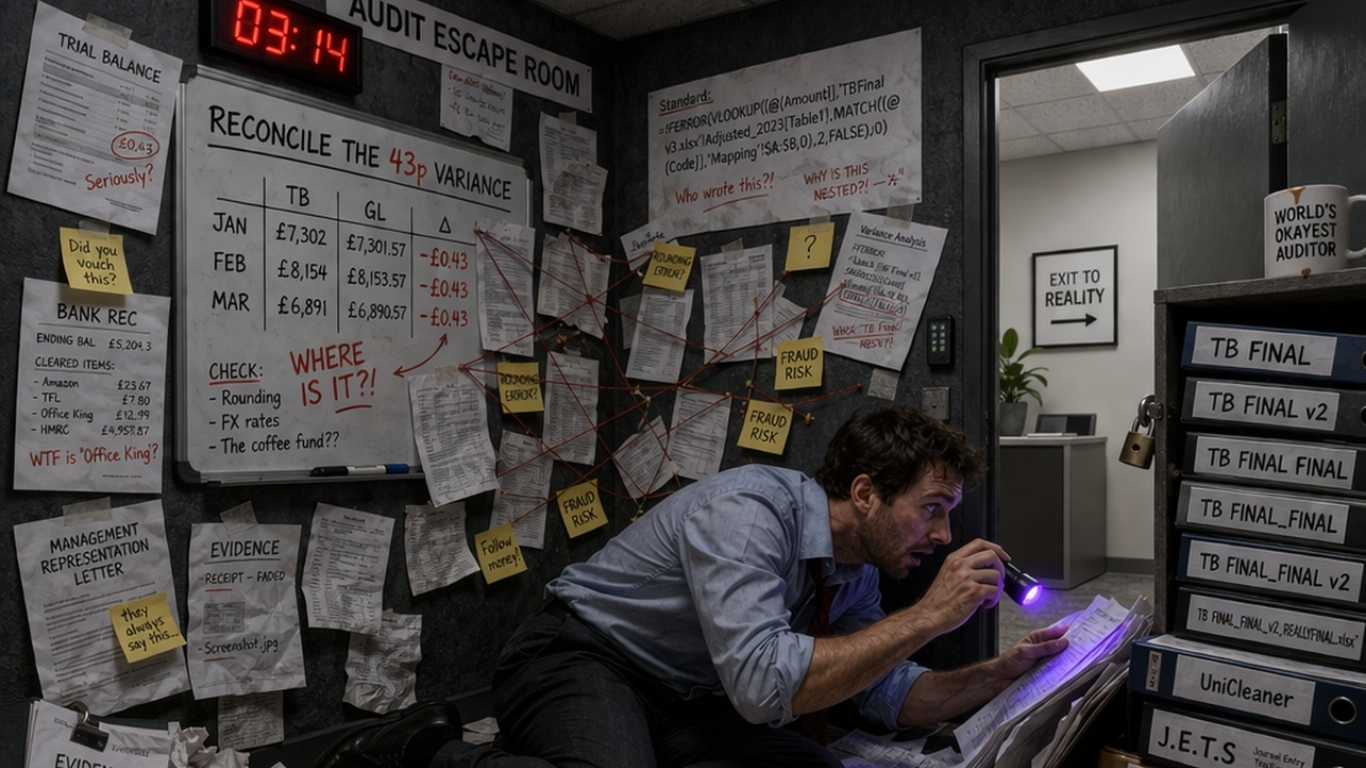
A client notifies you that they have uploaded their requested financial records. You open the folder expecting clean spreadsheets, only to be confronted by a 200-page, image-based, completely flat PDF bank statement.
Immediate panic sets in. Instead of staying on course and using the data, the team abandons ship.
They jump into the "lifeboat" of manual labor spending days manually retyping thousands of rows, copying and pasting raw figures, and formatting summary tabs purely to feel in control. They trade efficiency for manual grinding because the raw data felt too terrifying to navigate.
Manually retyping flat PDFs and scanned images is a nightmare that drains billable hours, destroys team morale, and invites catastrophic human error.
Don't abandon ship when the data gets ugly.
With Nirvana Convert, you can instantly transform static, hostile client uploads into clean, structured Excel tables.
Stop typing. Start auditing.
Until next time,
Christiaan
Manually retyping flat PDFs and scanned images is a nightmare that drains billable hours, destroys team morale, and invites catastrophic human error.
Don't abandon ship when the data gets ugly.
With Nirvana Convert, you can instantly convert long-form PDFs and image scans directly into workable, native Excel formats.
Tired of watching your team spend billable hours retyping static PDFs? See how Nirvana Convert turns messy uploads into audit-ready datasets in seconds.










































































Help your team work faster in Microsoft Excel without
sacrificing control, traceability, or audit quality.
Inspiration not perspiration with tips and insights to audit smarter, straight to your inbox.
You can unsubscribe at any time. We respect your information and won’t share your data with any 3rd parties. Learn more about our privacy policy.